













Studio 7.3.2 DMX

Customer Comment:
Studio:
4.5m x 6.3m = 28 m²
Usage:
1. PC workstation
2. Music room
3. Home cinema
4. Reading room, sit-in, party cellar
Converters:
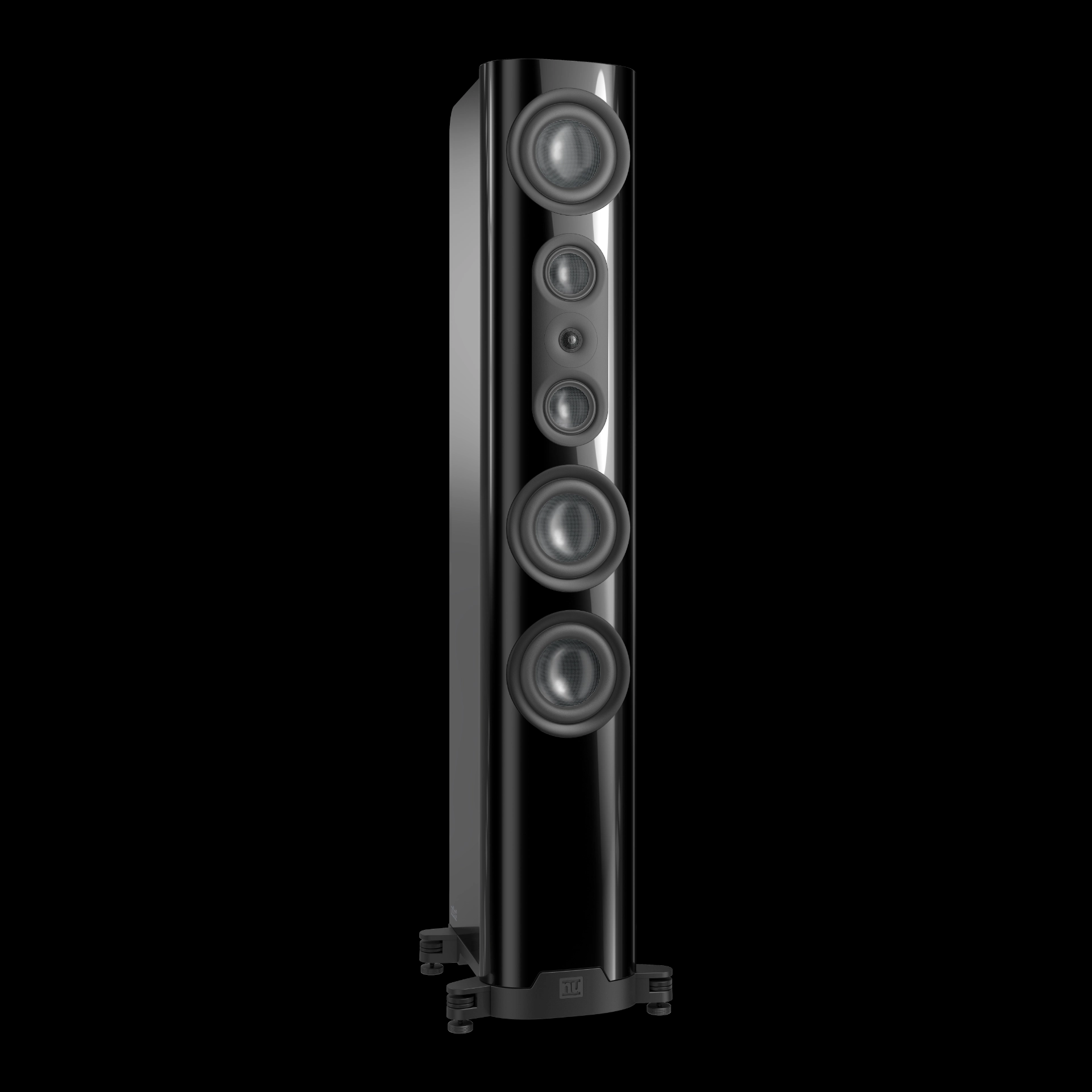
2x nuVero 140 front
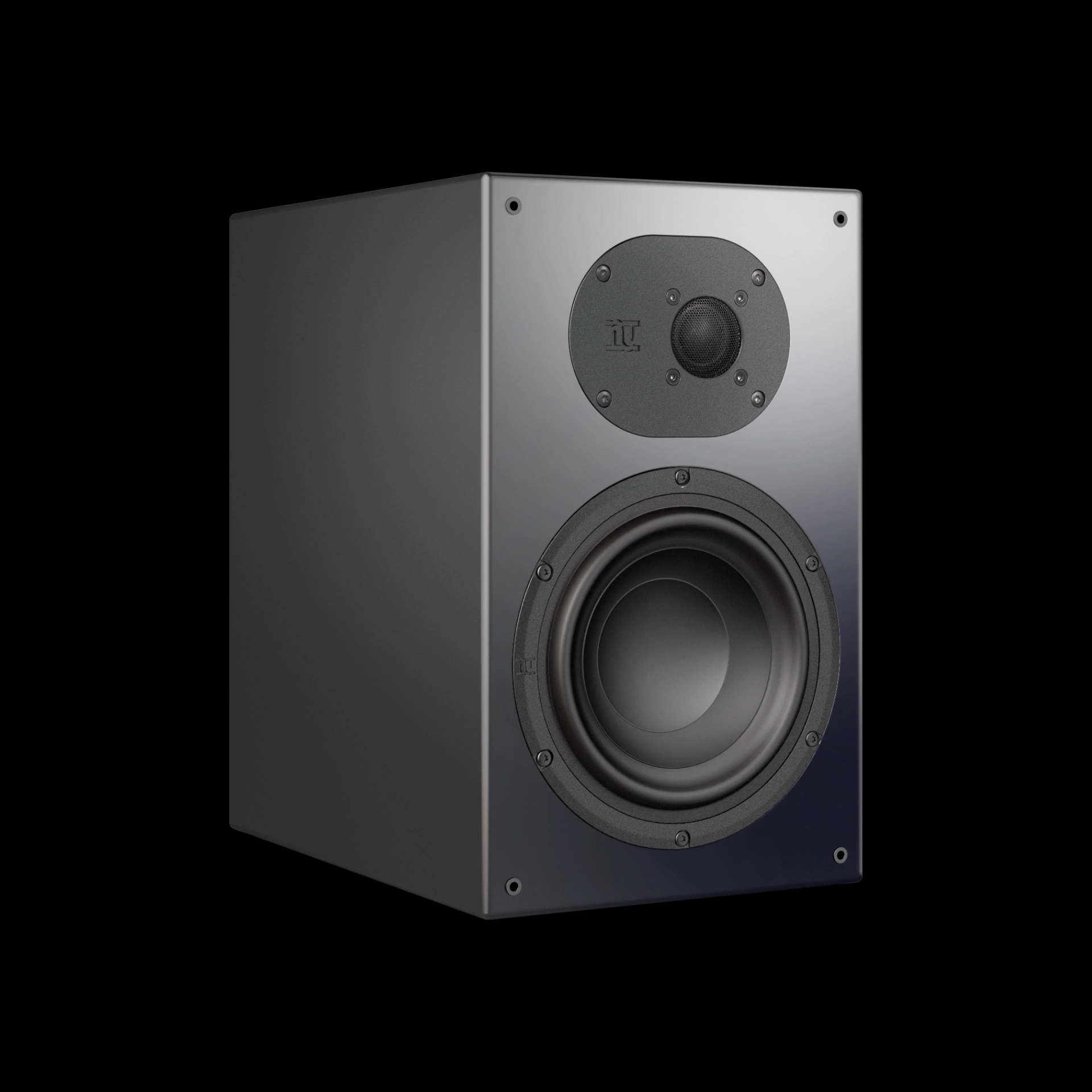
1x nuVero 70 center
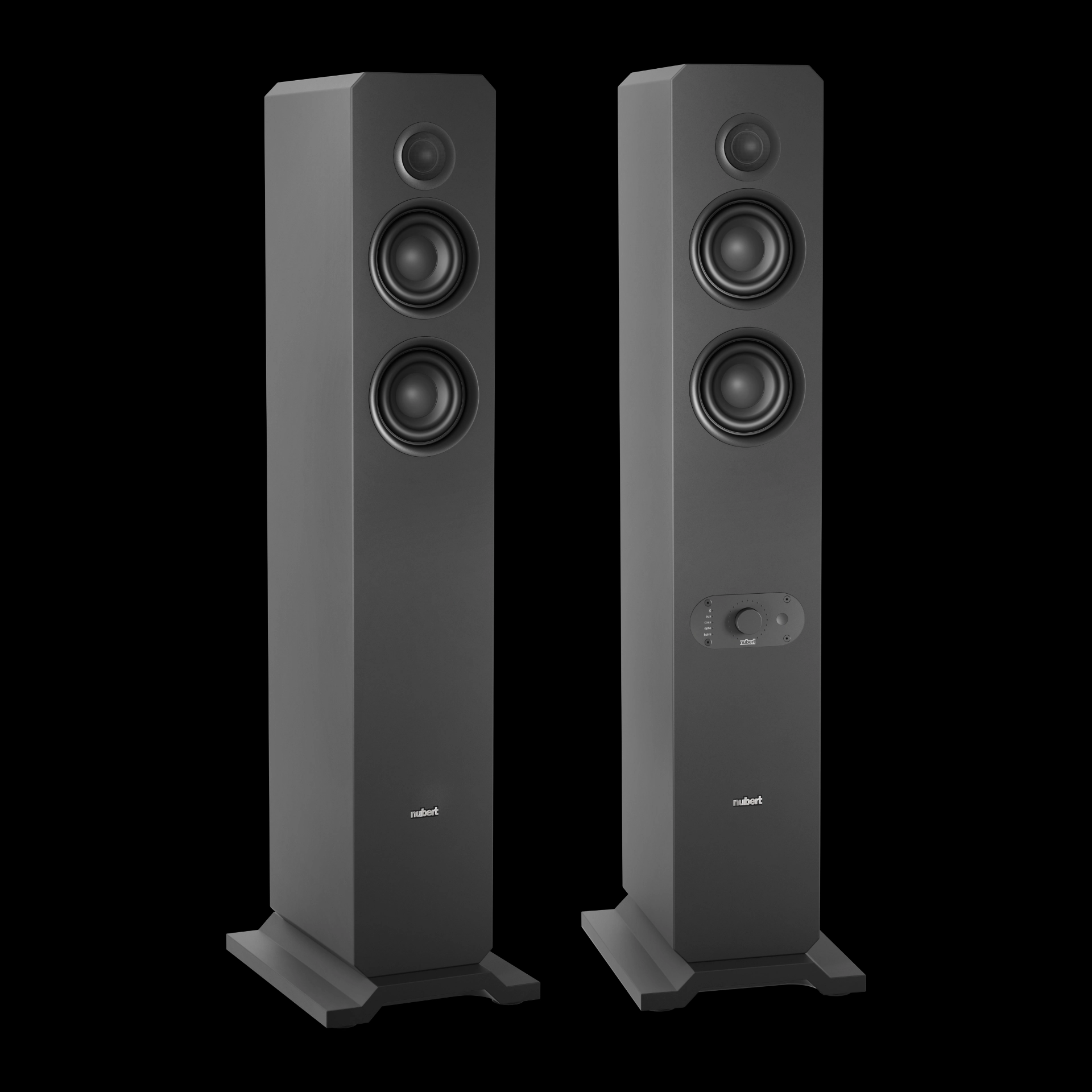
2x nuLine 32 surround
2x nuLine 32 surround back
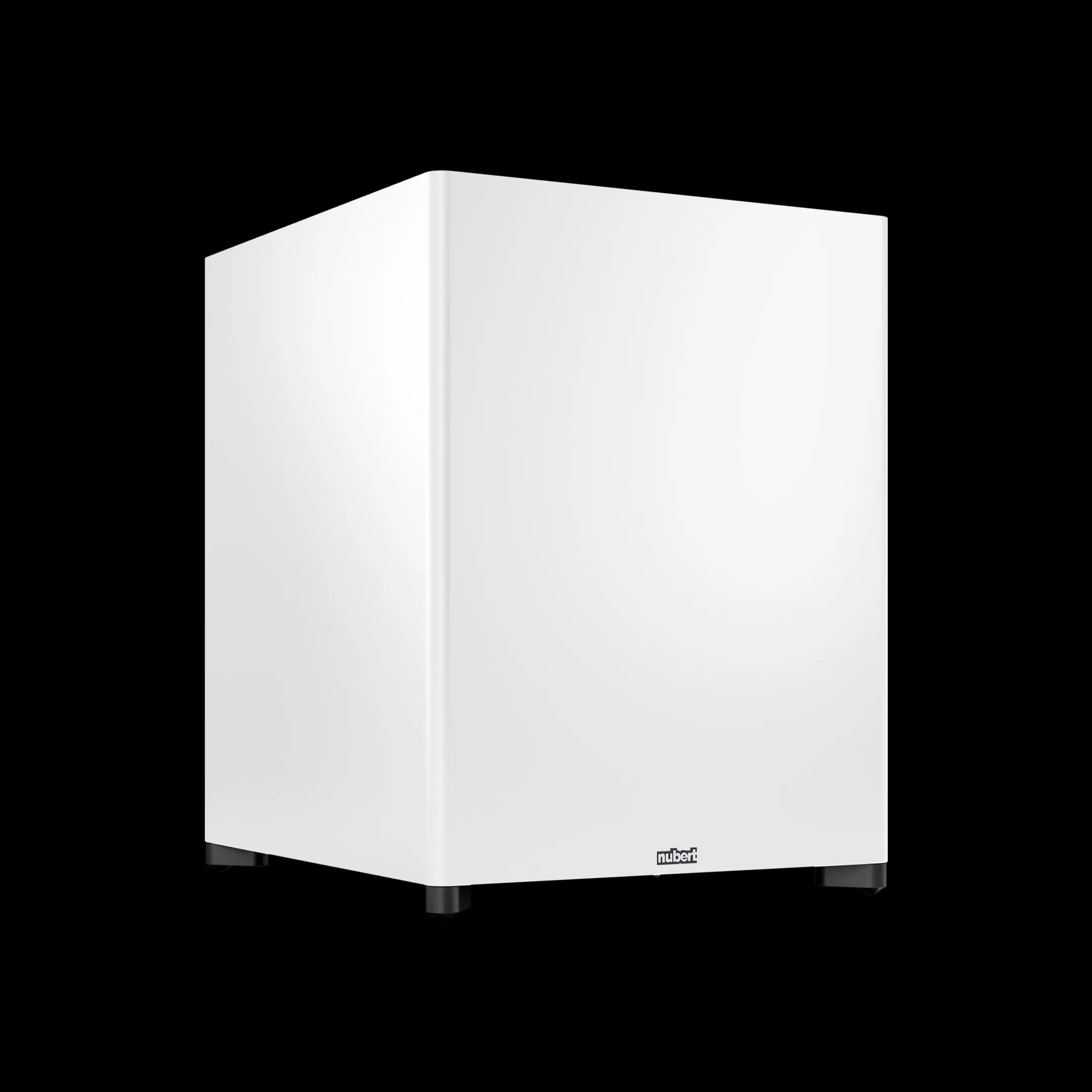
1x nuVero AW-17 sub front
1x nuLine AW-1100 sub front
2x Canton XXL.2 front presence
1x Canton AS 125 SC sub rear
Electronics:
Yamaha RX-A 2080 AV Receiver
Nubert nuPower D Stereo Amplifier (for nuVero 140)
Sony Bravia KD XE 75'' Monitor / TV
Sony DVP-NS930 DVD / SACD
Sony ST-SB 920 Tuner
Technics SL-P500 CD (1986)
Technics SL-M1 Phono (1987)
Alpine AL-80 Tape (1984) (in the archive)
Oticon ConnectLine TV Bluetooth TV transmitter for transmitting sound signals to my hearing systems (especially used in movies, see below)
PC audio-video player
Main Lighting:
15x ERCO/Hoffmeister 3-phase ceiling spotlights 20-35W 10° for general and object lighting (dimmable / 2 scenes)
Effect Lighting:
Small DMX lighting system with various effects for different situations:
Showtec Scanmaster 1 with
1x Cameo HYDRABEAM 400 4 x 10W Beam RGBW LED DMX (MovingHeads)
2x ADJ Sober 15W 4° Spot RGBW LED DMX (Uplight)
2x EUROLITE PST QCL 15W 6° Spot RGBW LED DMX (Mirror ball)
2x Cameo ROOT PAR 4 - 7x4W RGBW LED DMX (Backlight)
2x Varytec PAR 64 Flood RGB LED DMX (Blinder)
plus
4x PAR 36 PinSpots 30W 6° W
Since the screen is about 50 cm in front of the wall, background lighting with the ROOT PAR 4 is possible.
e.g. Football > grass green
e.g. Science-Fiction > deep blue
The DMX system also allows programmable scenes, running lights, mirror ball, sound-to-light, etc.
Listen! Listen!
I recommend to the interested reader (or listener) to visit an audiologist, have a hearing test done, and request an interpretation of the audiogram. Your hearing threshold is usually measured by pure-tone audiometry over headphones from 125 Hz to 8 kHz. It doesn't hurt and should be free and non-binding. Print out the audiogram to study it at home.
Hearing losses usually occur gradually. Day by day, a little worse. Unnoticeable. Insidious.
In advanced age, many have the opportunity to fulfill the dream of a high-quality audio system. Unfortunately, hearing ability often deteriorates as well (presbycusis). A pity for the super-linear frequency responses of the nubert systems. Hearing losses are not necessarily a matter of age but an expression of the acoustic stress on the auditory organ during a lifetime. However, environmental toxins, ototoxic (ear-toxic) medications, or a genetic predisposition can cause hearing loss and tinnitus (ear noises). Hearing aids are effective in many cases against tinnitus with simultaneous hearing loss. It can achieve masking or overlay of the ear noises through the acoustics of the hearing system.
I myself have a severe high-frequency hearing loss from about 1500 Hz with a slope of about 40 dB/octave! So my hearing threshold at 8000 Hz is +80 dB!! Acoustic catastrophe! Practically deaf in the high-frequency range! (Reasons for hearing loss: Always listening to music at high levels whenever possible, headphones, combat shooting without hearing protection (1983 in Haltern. I remember exactly. It banged so much.), discos (TARM, Bochum), concerts, fireworks...)
But that means I wouldn't even notice if someone had removed the beautiful silk dome tweeters without my hearing aids or hearing systems ;-)) Because they only work from maybe 3000 Hz?
For your assessment: The fitting of hearing systems is only indicated when the tonal audiometric hearing loss in the mid-frequency range (500 - 3000 Hz, main speech range) is greater than 30 dB! The hearing loss in the high-frequency range can already be severe. And many don't even notice it.
I will hardly presume to judge the sound of speakers!
Therefore, even with mild hearing loss, wearing perfectly adjusted hearing systems is mandatory. Especially for us music lovers. I recommend programming a special music listening program into the hearing systems, preferably with the 'NAL-NL2' algorithm (microphone automatic off or 360°, impulse sound management off, noise reduction off, dynamic feedback suppression off, etc.). Modern hearing systems are highly complex digital amplifiers. These now operate up to an upper limit frequency of about 10 kHz (DIN EN 61669). That's something.
For further information, I am happy to help: MPO@aikQ.net
And of course, the sound here in my studio is fantastic. I recently treated myself to the nuPower D. And I listened to YELLO.
And would you believe it, the door key actually hopped out of its hole!
because please note: 0 dB + 0 dB = 3 dB
Customer Comment:
Studio:
4.5m x 6.3m = 28 m²
Usage:
1. PC workstation
2. Music room
3. Home cinema
4. Reading room, sit-in, party cellar
Converters:
2x nuVero 140 front
1x nuVero 70 center
2x nuLine 32 surround
2x nuLine 32 surround back
1x nuVero AW-17 sub front
1x nuLine AW-1100 sub front
2x Canton XXL.2 front presence
1x Canton AS 125 SC sub rear
Electronics:
Yamaha RX-A 2080 AV Receiver
Nubert nuPower D Stereo Amplifier (for nuVero 140)
Sony Bravia KD XE 75'' Monitor / TV
Sony DVP-NS930 DVD / SACD
Sony ST-SB 920 Tuner
Technics SL-P500 CD (1986)
Technics SL-M1 Phono (1987)
Alpine AL-80 Tape (1984) (in the archive)
Oticon ConnectLine TV Bluetooth TV transmitter for transmitting sound signals to my hearing systems (especially used in movies, see below)
PC audio-video player
Main Lighting:
15x ERCO/Hoffmeister 3-phase ceiling spotlights 20-35W 10° for general and object lighting (dimmable / 2 scenes)
Effect Lighting:
Small DMX lighting system with various effects for different situations:
Showtec Scanmaster 1 with
1x Cameo HYDRABEAM 400 4 x 10W Beam RGBW LED DMX (MovingHeads)
2x ADJ Sober 15W 4° Spot RGBW LED DMX (Uplight)
2x EUROLITE PST QCL 15W 6° Spot RGBW LED DMX (Mirror ball)
2x Cameo ROOT PAR 4 - 7x4W RGBW LED DMX (Backlight)
2x Varytec PAR 64 Flood RGB LED DMX (Blinder)
plus
4x PAR 36 PinSpots 30W 6° W
Since the screen is about 50 cm in front of the wall, background lighting with the ROOT PAR 4 is possible.
e.g. Football > grass green
e.g. Science-Fiction > deep blue
The DMX system also allows programmable scenes, running lights, mirror ball, sound-to-light, etc.
Listen! Listen!
I recommend to the interested reader (or listener) to visit an audiologist, have a hearing test done, and request an interpretation of the audiogram. Your hearing threshold is usually measured by pure-tone audiometry over headphones from 125 Hz to 8 kHz. It doesn't hurt and should be free and non-binding. Print out the audiogram to study it at home.
Hearing losses usually occur gradually. Day by day, a little worse. Unnoticeable. Insidious.
In advanced age, many have the opportunity to fulfill the dream of a high-quality audio system. Unfortunately, hearing ability often deteriorates as well (presbycusis). A pity for the super-linear frequency responses of the nubert systems. Hearing losses are not necessarily a matter of age but an expression of the acoustic stress on the auditory organ during a lifetime. However, environmental toxins, ototoxic (ear-toxic) medications, or a genetic predisposition can cause hearing loss and tinnitus (ear noises). Hearing aids are effective in many cases against tinnitus with simultaneous hearing loss. It can achieve masking or overlay of the ear noises through the acoustics of the hearing system.
I myself have a severe high-frequency hearing loss from about 1500 Hz with a slope of about 40 dB/octave! So my hearing threshold at 8000 Hz is +80 dB!! Acoustic catastrophe! Practically deaf in the high-frequency range! (Reasons for hearing loss: Always listening to music at high levels whenever possible, headphones, combat shooting without hearing protection (1983 in Haltern. I remember exactly. It banged so much.), discos (TARM, Bochum), concerts, fireworks...)
But that means I wouldn't even notice if someone had removed the beautiful silk dome tweeters without my hearing aids or hearing systems ;-)) Because they only work from maybe 3000 Hz?
For your assessment: The fitting of hearing systems is only indicated when the tonal audiometric hearing loss in the mid-frequency range (500 - 3000 Hz, main speech range) is greater than 30 dB! The hearing loss in the high-frequency range can already be severe. And many don't even notice it.
I will hardly presume to judge the sound of speakers!
Therefore, even with mild hearing loss, wearing perfectly adjusted hearing systems is mandatory. Especially for us music lovers. I recommend programming a special music listening program into the hearing systems, preferably with the 'NAL-NL2' algorithm (microphone automatic off or 360°, impulse sound management off, noise reduction off, dynamic feedback suppression off, etc.). Modern hearing systems are highly complex digital amplifiers. These now operate up to an upper limit frequency of about 10 kHz (DIN EN 61669). That's something.
For further information, I am happy to help: MPO@aikQ.net
And of course, the sound here in my studio is fantastic. I recently treated myself to the nuPower D. And I listened to YELLO.
And would you believe it, the door key actually hopped out of its hole!
because please note: 0 dB + 0 dB = 3 dB